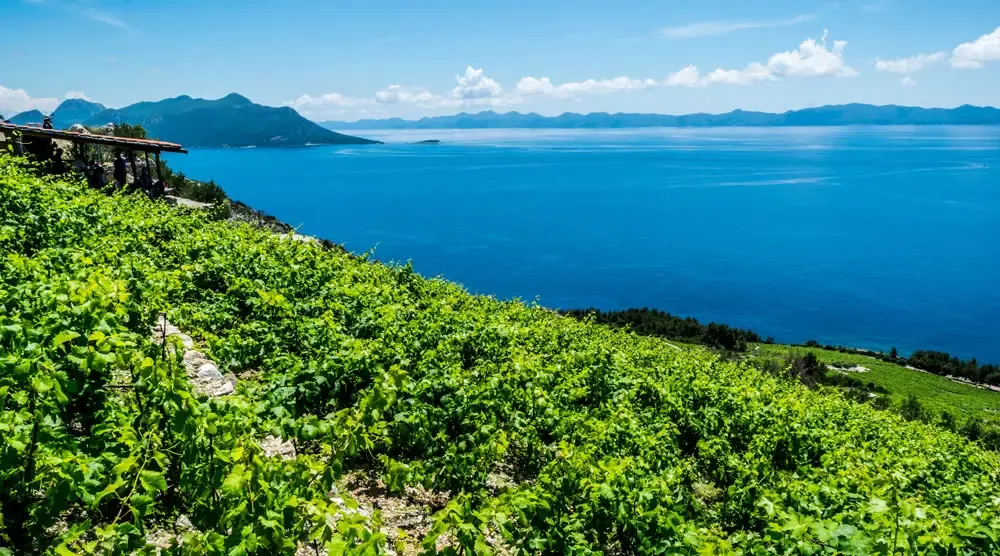
Just over an hour from Dubrovnik, the coast opens into something slower and wilder. Pelješac is Croatia’s great wine peninsula — a narrow ridge of vineyards, oyster beds and empty beaches that makes one of the most rewarding day trips from Dubrovnik. It is a place to taste rather than to tick off: a glass of deep red Plavac Mali, a tray of oysters pulled straight from the bay, and a drive through hills that still feel untamed.
Because most of Pelješac lies inland from the harbours, the easiest way to see it well is with a private driver — no parking, no map-reading, and no one in your group left out of the tasting. This guide walks through what makes the peninsula special and how to turn it into a single, unhurried day.
Where is Pelješac — and why make the trip?
Pelješac is the long, slender peninsula that stretches north-west from near Dubrovnik towards the island of Korčula — the second-largest peninsula in Croatia after Istria. It begins at the historic town of Ston, about an hour’s drive from the city, and runs roughly seventy kilometres to the sailing town of Orebić at its tip, with the bare, dramatic ridge of the Sveti Ilija mountain rising in the middle.
What gives the peninsula its character is the geography: steep southern slopes that catch the full Adriatic sun, dropping straight into the sea. Those slopes are too sheer for almost anything but vines — and that is exactly why the wine here is so good. Add the sheltered shellfish waters at Ston and a coastline of pine, stone and quiet coves, and you have a region that rewards a slow, deliberate visit far more than a quick photo stop.
The wines: Plavac Mali, Dingač and Postup
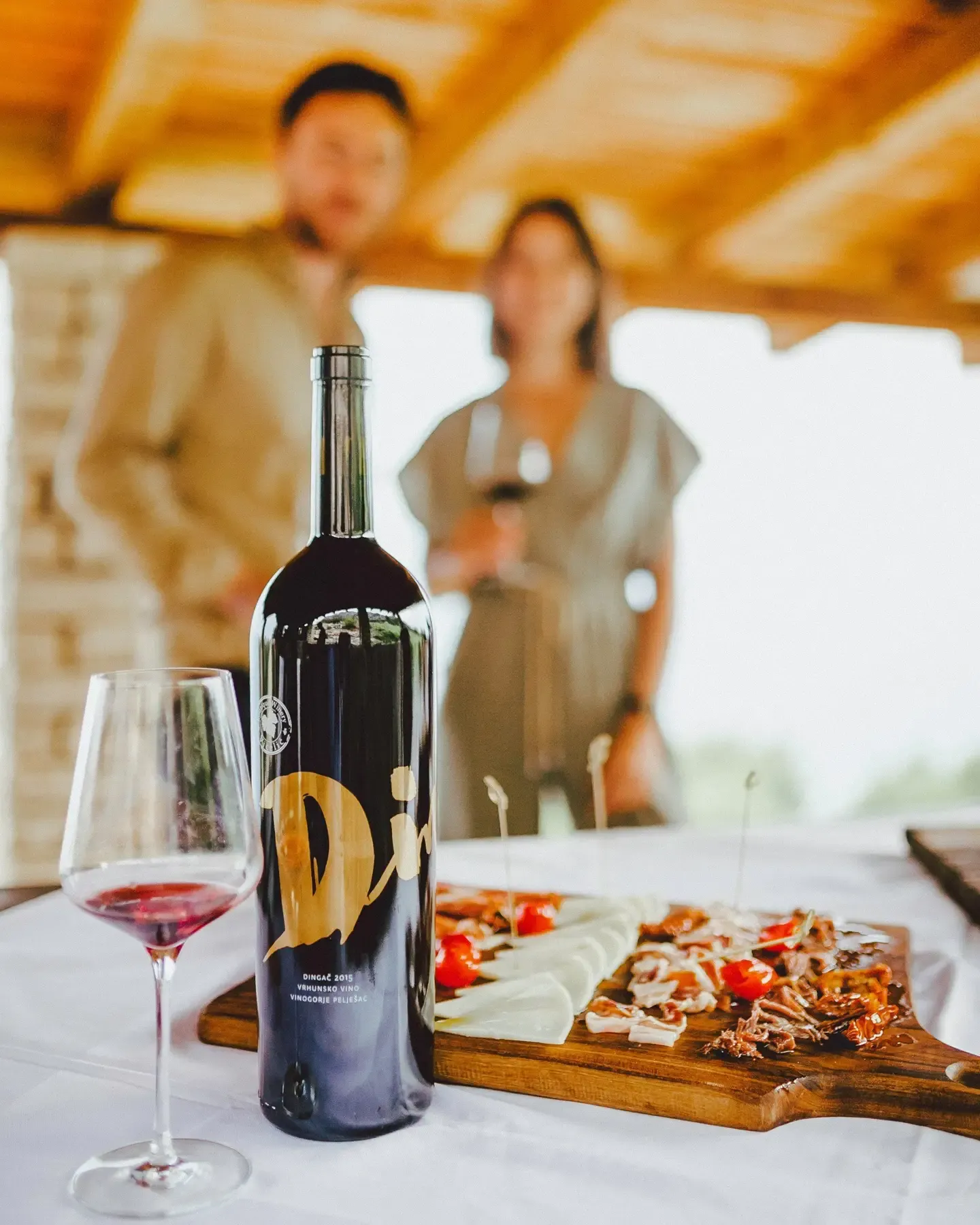
Pelješac is widely considered the finest red-wine region in Croatia, and its signature is Plavac Mali — a dark, structured grape that thrives on sun-baked seaside stone. Two pockets of the peninsula are especially prized: Dingač, on the steepest cliff-side slopes, and neighbouring Postup. Dingač holds a special place in Croatian wine history as one of the first vineyard areas in the country to be granted protected status, and wines from these slopes are typically full-bodied, warm and built to age.
The magic comes from a combination the locals sum up as “sun, sea and stone”: intense sunlight from above, light reflected off the water below, and heat stored in the rock. Tending these near-vertical vineyards is done largely by hand, which is part of why a tasting here feels personal — you are usually sitting with the family that made the wine.
Because every Blue Mile trip is private, the line-up is never fixed — the wineries and restaurants we visit change with the day, the season and your taste. Most often we work with family estates such as Vukas, Miloš, Vicelić and Matuško, with the Vicelić tasting held out on the Dingač slopes themselves rather than in the cellar. When the day calls for it we’ll also head to Rizman, a little further along the coast and every bit as beautiful.
A Pelješac wine experience can be as light or as deep as you like. Blue Mile’s chauffeur trips offer it in three shapes: a basic wine tour for a focused tasting, a wine and food pairing that sets the reds against local cheese, ham and olive oil, or a wine and oyster experience that brings the peninsula’s two great flavours together in one afternoon.
Mali Ston oysters and the salt of Ston

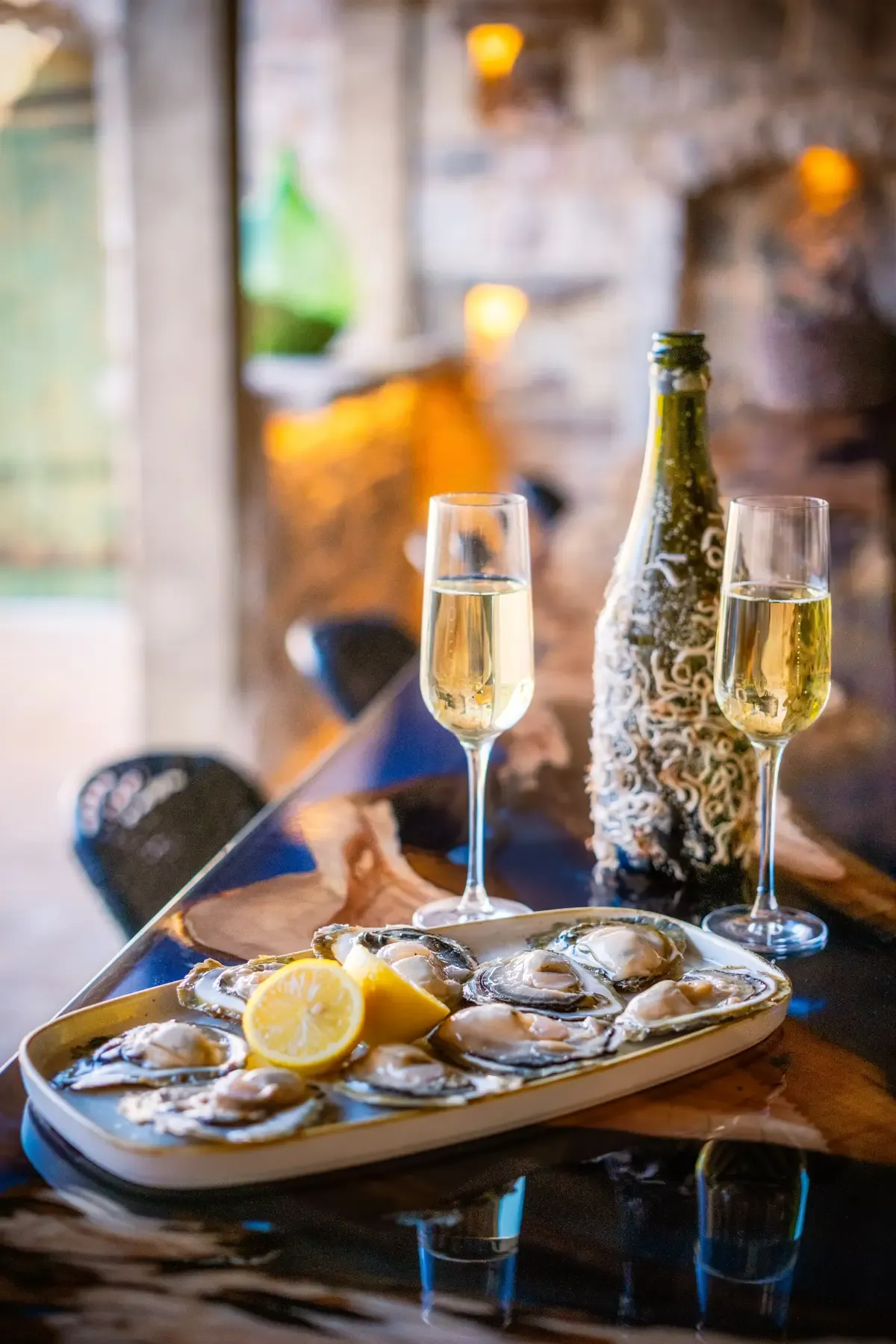
At the base of the peninsula, the long sheltered channel of Mali Ston Bay is one of the oldest shellfish-farming areas on the Adriatic. The meeting of fresh springwater and sea, in calm and clean water, produces oysters and mussels with a reputation that reaches well beyond Croatia. The ritual is simple: a tray of oysters lifted straight from the water, and a squeeze of lemon — nothing else needed.
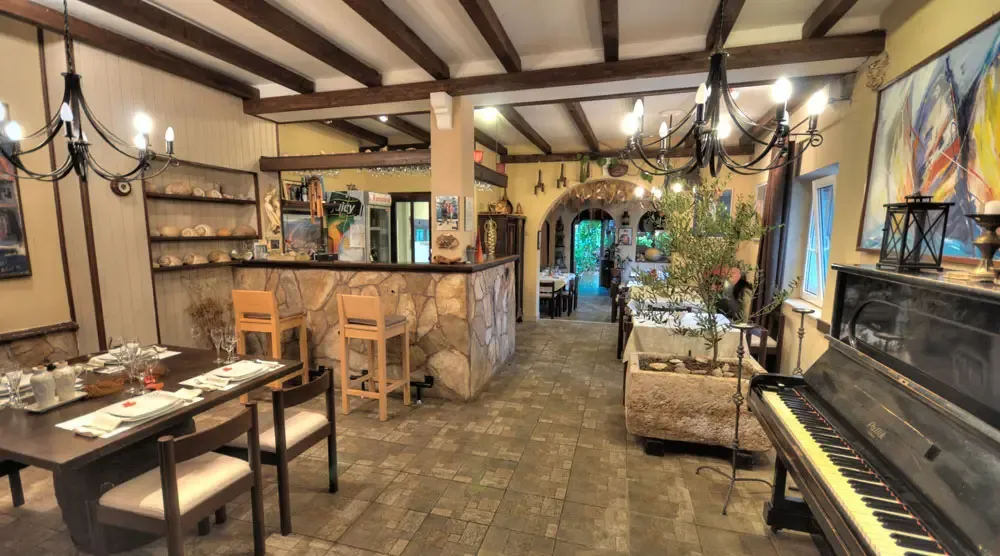
For the tasting itself we usually take guests to Zamaslina, a characterful oyster bar on the bay. It is the real thing — an authentic, beautifully done setting where the owner, a shellfish farmer himself, talks you through how the oysters are grown and harvested before you taste them fresh from the water.
The town of Ston itself is worth the stop on its own. It is wrapped in a remarkable stretch of medieval fortifications — among the longest defensive walls in Europe — built to guard the valuable resource that still defines the town: salt. The Ston salt pans have been worked since antiquity and are counted among the oldest in the Mediterranean, with salt still harvested here by hand in the old way. Walking a section of the walls above the bay, with the salt fields on one side and the oyster beds on the other, ties the whole region together in a single view.
Untamed nature: mountains, beaches and quiet coves
For all its food and wine, Pelješac is at heart a wild place. The Sveti Ilija mountain dominates the spine of the peninsula and rewards hikers with sweeping views across to the islands. Below it, the coastline hides some of the southern Adriatic’s most underrated beaches — among them Žuljana, the long bay of Prapratno near Ston, the remote pebbles of Divna, and Trstenica at Orebić.
Compared with the busier stretches around Dubrovnik, these beaches stay genuinely quiet, backed by pine and maquis rather than concrete. If you would rather reach the coves from the water, the sheltered Kobaš Bay on the peninsula’s southern side is a favourite — best approached by boat — and features on our Ston & Kobaš boat tour for guests who want to combine the sea with the land.
How to visit Pelješac from Dubrovnik
The peninsula is spread out and most of its highlights sit inland or up on the slopes, so the relaxed way to see it is with a private driver. A typical Blue Mile day pairs one or two wineries with a stop in Ston for the walls and an oyster tasting, and leaves room for a beach or a viewpoint along the way — all on a route shaped around your group rather than a fixed schedule.
The biggest advantage is simple: nobody has to stay sober for the drive. The vehicle and driver are at your disposal, the tastings are arranged in advance, and you travel in comfort there and back. Choose the wine focus that suits you — a basic tasting, a food pairing, or the full wine-and-oyster afternoon — and we handle the timings.
Ready to plan it? Tell us your dates and we’ll build the route. Book a private Pelješac day trip or ask us a question first.
Practical tips before you go
- Book tastings ahead. The best cellars are small and family-run; we arrange visits and timings so you are never left waiting.
- Go hungry. Oysters, local ham, sheep’s cheese and olive oil are part of the experience — leave room for a proper lunch.
- Bring layers and good shoes if you want to walk the Ston walls or a stretch of the Sveti Ilija trails.
- Pack a swimsuit. Žuljana, Prapratno and Divna are worth a dip if the day is warm.
- Let the driver drive. With a chauffeur day, everyone in the group can taste freely — that is the whole point.
Frequently asked questions
How far is Pelješac from Dubrovnik?
The neck of the peninsula at Ston is about 55–60 kilometres north-west of Dubrovnik, roughly an hour by car. The wine villages in the centre of Pelješac and the tip at Orebić are further out, so a relaxed visit with stops usually runs 1 to 1.5 hours of driving each way. With a private driver you skip the parking and can taste at the wineries without worrying about the road back.
What is Pelješac famous for?
Three things above all: red wine, oysters and quiet nature. Pelješac is the home of Plavac Mali, Croatia's flagship red grape, grown on near-vertical seaside slopes in the protected Dingač and Postup zones. The sheltered Mali Ston Bay produces some of the Adriatic's most prized oysters and mussels, and the town of Ston is known for its long defensive walls and centuries-old salt pans. Beyond that, the peninsula stays wild — pine-covered hills, the Sveti Ilija mountain and a string of uncrowded beaches.
Can you do a Pelješac wine tour as a day trip from Dubrovnik?
Yes — it works very well as a half-day or full-day trip. With Blue Mile you travel in a private vehicle with a driver, so the route is built around you: a couple of wineries, a stop in Ston for the walls and an oyster tasting, and time at a beach or viewpoint if you want it. Because no one in your group has to drive, everyone can taste freely.
Where do Pelješac oysters come from?
From Mali Ston Bay, the long, sheltered channel between the peninsula and the mainland near Ston. The mix of fresh water and sea, and the calm, nutrient-rich water, make it one of the oldest and best-known shellfish farming areas on the Adriatic. Oysters here are typically eaten raw, straight from the water, with nothing more than a squeeze of lemon.
Is Pelješac better visited by car or by boat?
It depends on what you want. For the wineries, the Ston walls and the inland villages, a private car is the natural choice — most of it sits away from the harbours. For swimming and secluded bays such as Kobaš, a boat is hard to beat. Many guests pair the two: a chauffeur day for wine and Ston, and a separate boat tour for the coast and islands.
Do you need to book Pelješac wine tastings in advance?
It is strongly recommended. Many of the best cellars are small, family-run estates that take visitors by arrangement rather than walk-in, especially outside peak summer. When you book a Pelješac trip with Blue Mile we arrange the tastings and timings for you, so the day flows without waiting.
Pelješac is the kind of place that turns a holiday into a memory — wine made by hand, oysters from water you can see, and a coast that has stayed quiet. Tell us when you are visiting and we’ll plan the day around it, or browse our private chauffeur trips to see how it fits with the rest of your stay.