Skip to content
Kobaš Bay
Pelješac Fishing Bay

Kobaš Bay

Mali Ston oysters and Plavac mali wine on a sheltered cove that was reachable only by boat for most of its history

South Pelješac · ~90 min by speedboat
Private speedboat only
Best time April – October
Famous for Mali Ston oysters & Plavac mali wine
Access By sea (or narrow road from Ston)
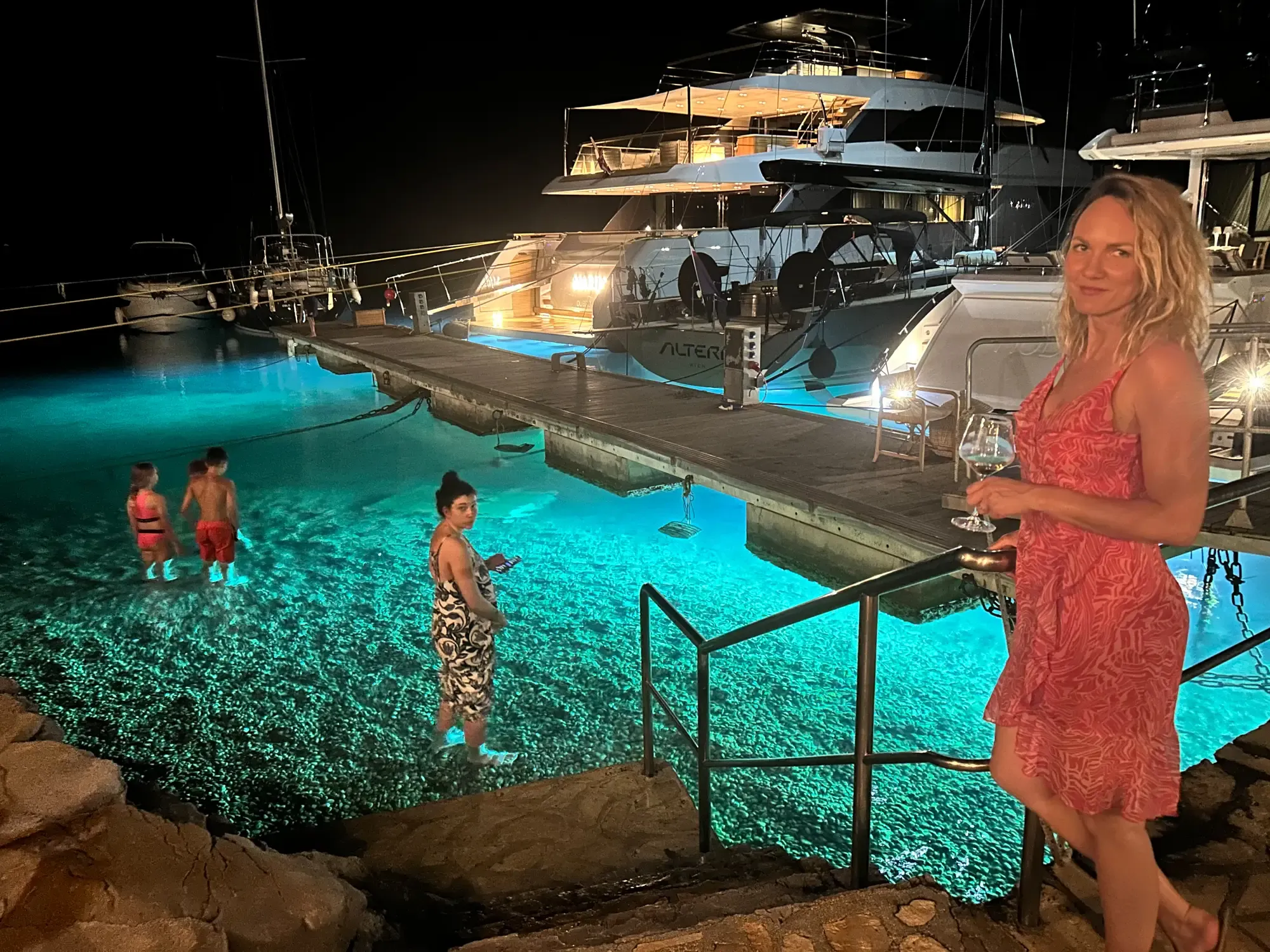
Mooring In front of both restaurants
The Story

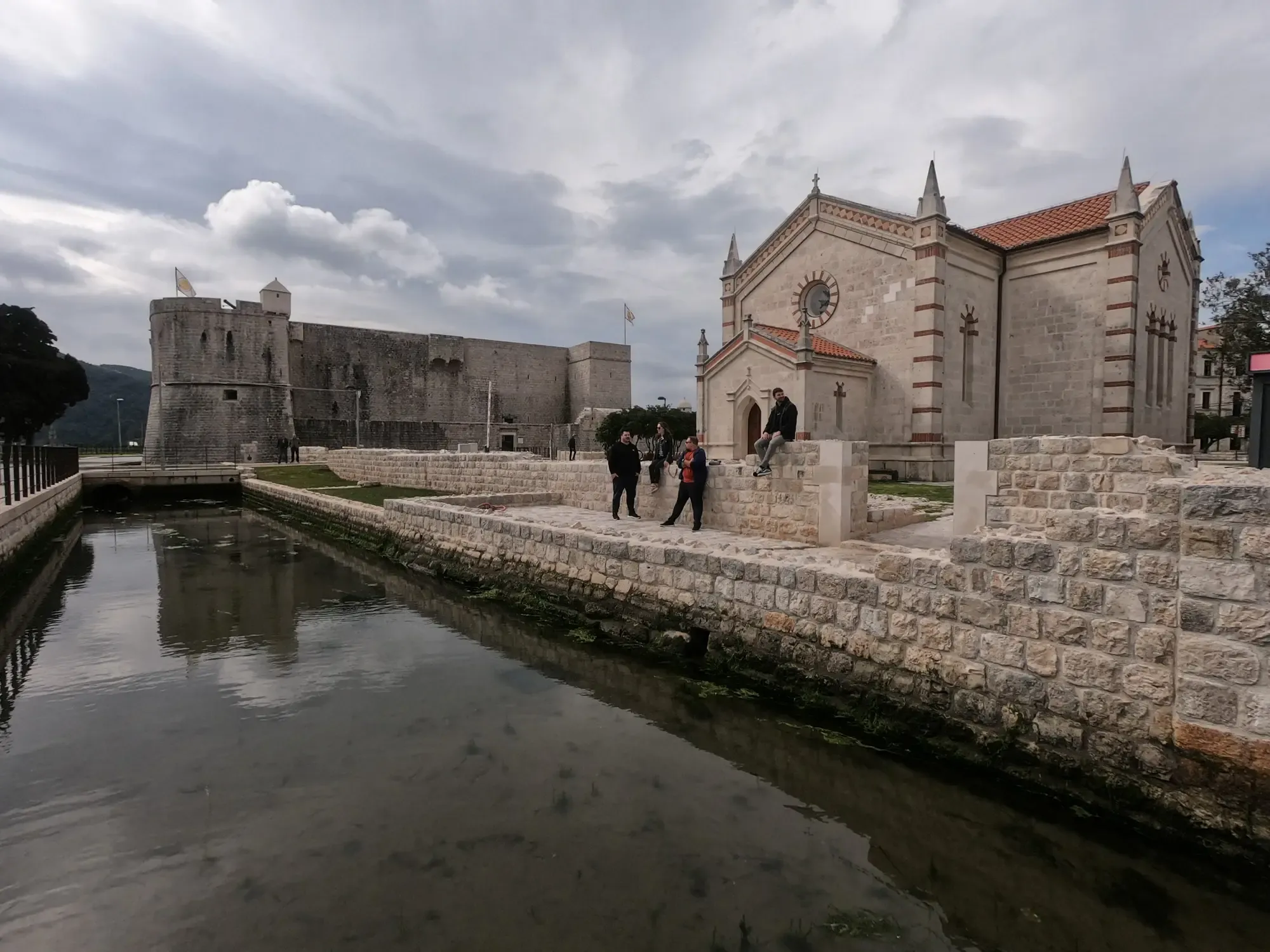
Kobaš sits at the point where the south coast of Pelješac runs up against a ridge of hills steep enough that the road from Ston, just seven kilometres away, was not completed until roughly ten years ago. Before that, the only way in or out was by sea — which is why the village earned its enduring description as 'the island on the peninsula'. The place is first documented in 1422, when the Dubrovnik Republic designated the bay as a lazaretto: a quarantine stop where ships arriving from plague-affected ports were held before they were permitted to continue to Ston. In the eighteenth century the Betondić family, Dubrovnik nobility, built a summer residence and chapel on the hillside above the shore; the poet Jozo Betondić wrote here and translated Ovid. The remains of the residence still stand beside today's taverna. By the twentieth century Kobaš had contracted to a fishing village of seven families. In October 1943 German forces burned the settlement and killed the inhabitants. A monument above the shore marks the site.

What draws boats to Kobaš today is straightforward: the food. Luka's Taverna has been open as a family business since 1985. The kitchen is built around whatever the fishing boats landed that morning — grilled over an open fire, served with oysters from Mali Ston Bay (the next inlet along, whose shellfish carry a recognised designation of origin), and accompanied by Plavac mali, the indigenous Pelješac red that is the genetic parent of Californian Zinfandel and the wine that most of the peninsula's families grow. Twenty steps from Luka's, Gastro Mare runs a different kind of kitchen: a chef with years in Scandinavia and the United States works with the same raw materials — the restaurant's own garden, its own fishing boat, its own olive oil — but applies different technique. Both restaurants offer mooring directly in front of the jetty.

The bay itself does what a good anchorage should: it holds the wind out. The surrounding hills mean that even on days when conditions in the open channel are uncomfortable, Kobaš is calm — the kind of calm that makes it easy to stay longer than you planned. The beach is sand, which is rarer on this part of the coast than the Dubrovnik beaches suggest, and the water is clear and shallow enough at the edges for an easy swim before lunch. For guests on our Ston and Kobaš tour, this is the main stop of the day — not a swim break between two other things, but the reason the itinerary exists.
The Experience

What you'll find here

Lunch at a Pelješac taverna

Luka's Taverna has been at this jetty since 1985 — open fire, daily catch, shellfish from the next bay, homemade wine. Gastro Mare next door applies international technique to the same local ingredients: own garden, own fishing boat, own olive oil. Both moor boats alongside.

Mali Ston oysters and Plavac mali

Mali Ston Bay — the next inlet — produces oysters with a recognised designation of origin, farmed in clean, cold water that gives them a clean, mineral finish. Plavac mali is the indigenous Pelješac red and the genetic parent of Californian Zinfandel. Both appear on the menu most days in season.

Sandy beach before lunch

The beach at Kobaš is sand — less common on this part of the coast than the Elaphiti or the old town beaches. The water is clear and the entry is gradual. Most guests swim from the boat or the shore for half an hour before sitting down at the table.

Layers in a small bay

The bay carries six centuries of use: Dubrovnik's quarantine station from 1422, a nobleman's summer chapel in the eighteenth century, a fishing village that was burned in 1943 and rebuilt, and now two restaurants that have drawn sailors from across the Adriatic since the 1980s. It is a small place with an unusually long record.

Highlights
  • Sheltered cove on the south coast of Pelješac peninsula
  • Two waterfront tavernas — Luka's (since 1985) and Gastro Mare
  • Mali Ston oysters, Plavac mali wine, Pelješac olive oil
  • Until recently reachable only by sea — known as the island on the peninsula
Gallery
Good to know
  • Book a table in advance — both tavernas are small and fill with boats from late June onwards. Arriving without a reservation in July or August is a gamble.
  • Ask for Mali Ston oysters if they are on that day's menu. The bay next door is one of the best-known oyster-growing sites on the Adriatic — the season runs spring through autumn.
  • Plavac mali is the house red at every table in Pelješac. It is worth ordering even if you do not usually drink red wine with fish — it is lighter than its reputation and works well with grilled seafood.
  • This is the main stop of the day on the Ston and Kobaš tour. Plan for at least two hours, not one — the pace of the place does not reward rushing.
FAQ

Questions guests ask

Why is Kobaš called the island on the peninsula?

The road connecting Kobaš to Ston, just seven kilometres away, was not completed until about ten years ago. Before that the bay was accessible only by sea — the hills behind it make the coastal path impractical — so locals used a boat for everything, including getting to the market in Ston. The nickname stuck.

What should we order?

Mali Ston oysters to start, if available — they come from the bay immediately next door and are among the best-regarded on the Adriatic. Follow with grilled fish from the daily catch. For wine: Plavac mali, the local red, which is the genetic parent of Californian Zinfandel and grown by most families on the peninsula. Gastro Mare also makes its own olive oil if you want to taste the peninsula's other signature product.

How long is the stop at Kobaš?

On the Ston and Kobaš tour, Kobaš is the lunch destination — the main stop of the day. Allow at least two hours: time to swim from the beach or the boat before the meal, eat without rushing, and sit for a while after. We can extend the stop on a private tour if conditions allow.

Is the bay crowded?

Less so than Ston or Korčula, but it fills with boats in July and August. Most of the traffic is sailing yachts and motor boats mooring for lunch — the two restaurants attract a steady clientele from across the Adriatic. Earlier in the season (May, June) and in September it is noticeably quieter.

Experience it

Visit Kobaš Bay

Private speedboat tours from Dubrovnik that include a stop at Kobaš Bay.