Skip to content
Main content
Veliki Vratnik
Sheltered Sea Passage

Veliki Vratnik

Where two channels meet — calm water, clear visibility, the Pelješac coast at its quietest

~55 km · ~80 min by speedboat
Private speedboat only
Best time May – October
Conditions Calm — sheltered from Pelješac headland
From Dubrovnik ~80 min by speedboat
Location North tip of Pelješac peninsula
The Story

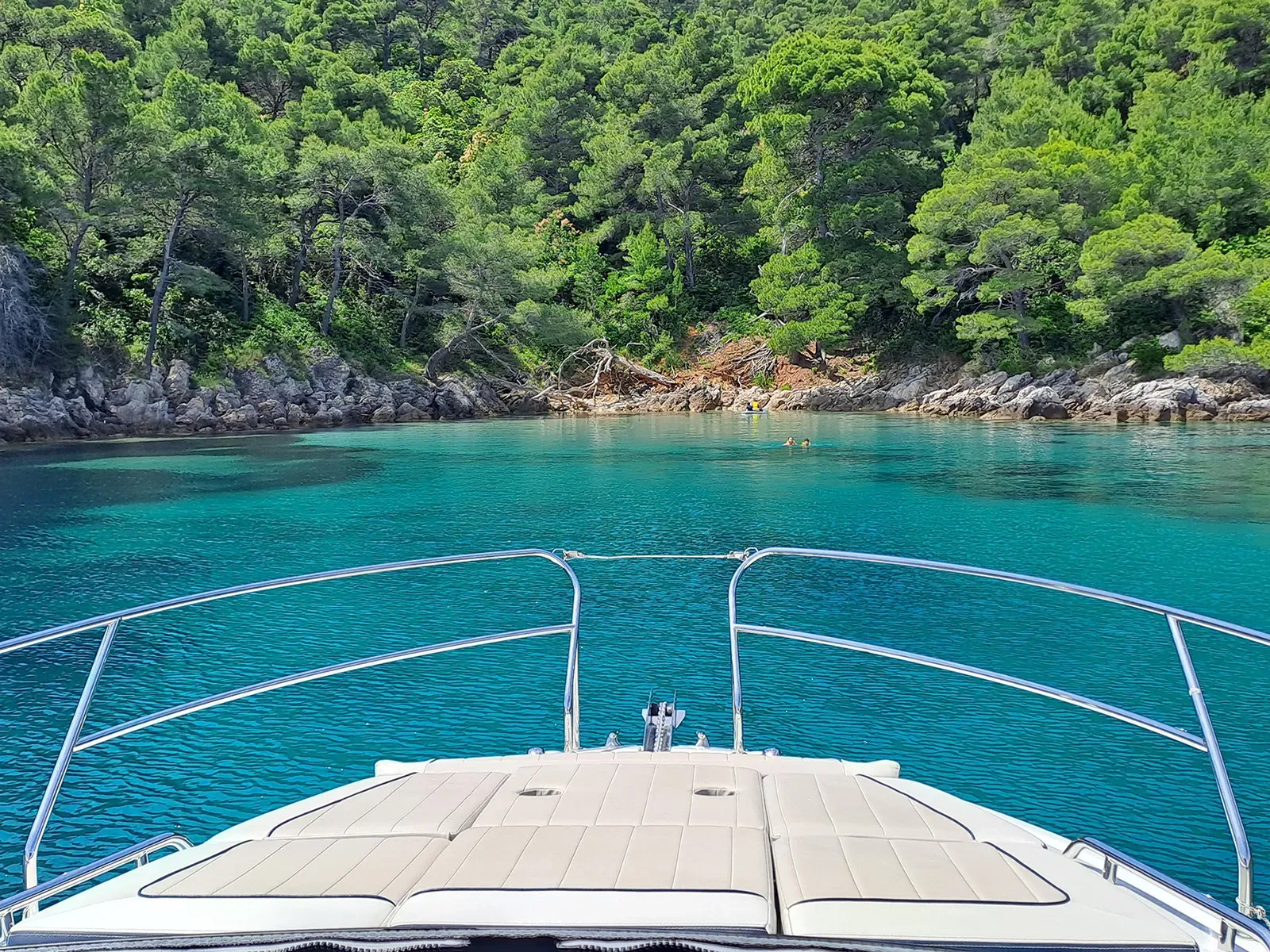
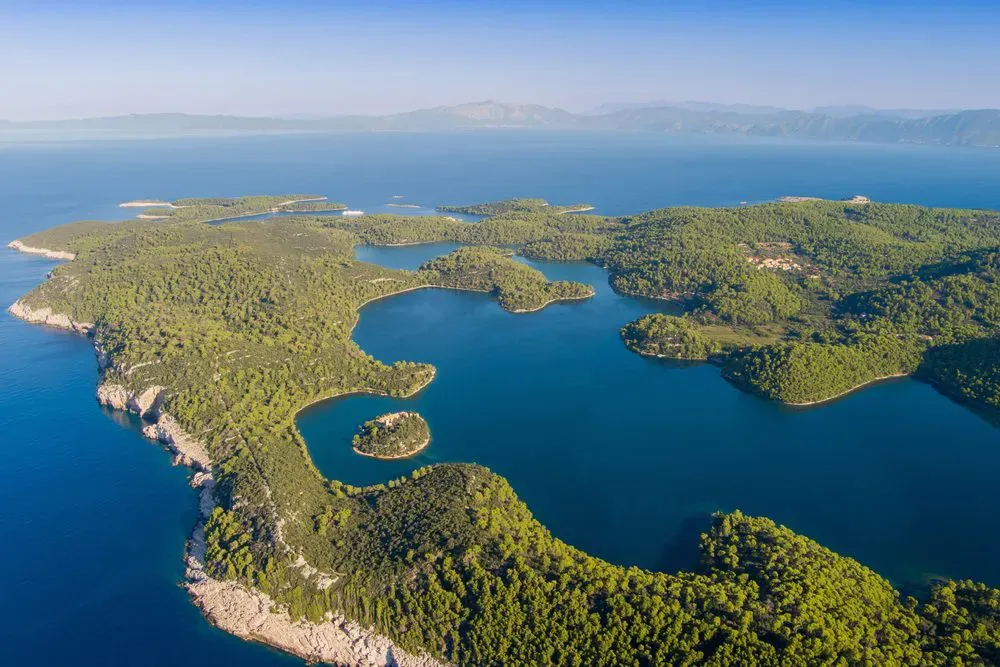
The north coast of the Pelješac peninsula tapers to a narrow limestone point where the open Mljet channel meets the sheltered Ston channel through two passages. The smaller of the two, Mali Vratnik, is too shallow for most motor boats. The larger — Veliki Vratnik — is deep enough for a skippered speedboat and wide enough to anchor comfortably in the lee of the rock. It is the point at which the sea becomes noticeably calmer: the Ston channel to the south is sheltered on three sides, and the protection begins right here at the passage.

The water at Veliki Vratnik is clear and relatively shallow over a clean pebbly and rocky seabed. The same Adriatic fish life found throughout the Elaphiti and the Pelješac coast is present here — wrasse moving through the rock crevices, sea bream in the slightly deeper pockets, the occasional octopus pressed flat against the limestone. Because the passage is rarely visited by organised excursion boats (most tours stop at Kobaš and turn south), the cove stays quiet. There are no facilities, no beach bars, no moored platforms. The surrounding headland, low scrub and a handful of fishing nets in the distance are what you see from the water.

For Blue Mile guests, Veliki Vratnik is the last stop of the day on the Ston & Kobaš and Korčula tours — a natural wind-down after a long day on the peninsula. The sun is lower, the light is warm, the sea at the passage is calm. Guests slide in off the swim platform, spend thirty to forty minutes in the water, and then the boat turns south for the run back to Dubrovnik.
The Experience

What you'll find here

Snorkelling in flat calm water

The passage geometry means there is almost always a sheltered side regardless of wind direction. The seabed is clean pebbly limestone with good visibility — typically ten metres or more in settled conditions. Wrasse, sea bream and sea urchins are reliably present; octopus turn up on the rockier patches and along the cliff base. Snorkel equipment is provided on board.

A natural anchor point

The skipper anchors in the passage where the depth and holding are good and the surrounding rock breaks the swell. It is a different quality of stop from the open-water swims earlier in the day — contained, quiet, with the limestone headlands close on both sides and nothing beyond them but the Mljet channel running south-west to the open sea.

Where two channels meet

Veliki Vratnik sits precisely at the junction of the Mljet channel and the Ston channel. The current through the passage is gentle in summer, and standing in the water you can see both stretches of open sea simultaneously — the Mljet channel to the north-west and the calmer, more enclosed Ston channel to the south-east. It is one of the few points on the Croatian coast with that particular dual view.

Late-afternoon light on Pelješac

As the final stop of a full-day tour, Veliki Vratnik catches the afternoon sun low on the Pelješac limestone. The rock takes on a warm tone and the surrounding sea deepens in colour. Guests who have been in the water all day often simply float here rather than actively snorkel — the calm and the light are reason enough.

Highlights
  • Calm, enclosed water protected by the Pelješac limestone headlands
  • Excellent snorkelling visibility — clean seabed, wrasse, sea bream and octopus
  • Natural pinch-point where two Dalmatian channels meet
  • A sheltered late-afternoon stop after Kobaš or Korčula old town
Good to know
  • The passage can have a light current on the tidal change — mild in summer, nothing that affects swimming, but worth being aware of if you venture further out from the boat.
  • The best snorkelling is along the cliff base rather than in the open centre of the passage; the rock crevices are where the fish concentrate.
  • Bring a mask that fits well — fit makes the difference between a good and an excellent underwater experience, and the visibility here is high enough to reward it.
  • Veliki Vratnik is the last stop of the day; the boat leaves for Dubrovnik from here, so this is the moment to settle in and take the time — there is nowhere to rush off to.
FAQ

Questions guests ask

What is Veliki Vratnik?

Veliki Vratnik is a sea passage on the north side of the Pelješac peninsula in southern Croatia. Together with the shallower Mali Vratnik nearby, it forms the northern gateway between the open Mljet channel and the sheltered Ston channel. For Blue Mile guests, it is a swim and snorkel stop on the full-day Ston and Kobaš and Korčula tours.

What is the snorkelling like at Veliki Vratnik?

The water is calm, clear and typically has ten metres or more of visibility in settled summer conditions. The seabed is clean pebbly limestone. Common sightings include various species of wrasse, sea bream, sea urchins along the rocky base and the occasional octopus. Snorkel masks and fins are available on board.

Is there a beach at Veliki Vratnik?

There is no sandy beach. The shoreline is rocky limestone with some pebbly sections at the water's edge. Entry and exit is from the boat's swim platform. The appeal of the stop is the swimming and snorkelling in calm, enclosed water rather than a beach experience.

Which tours stop at Veliki Vratnik?

Veliki Vratnik appears as the final swim stop on the full-day Ston and Kobaš tour (eight hours, departing 09:30) and on the full-day Korčula tour (nine hours, departing 09:00). It also appears as an alternative final stop on Option 2 of the Mljet National Park tour, depending on the day's itinerary.